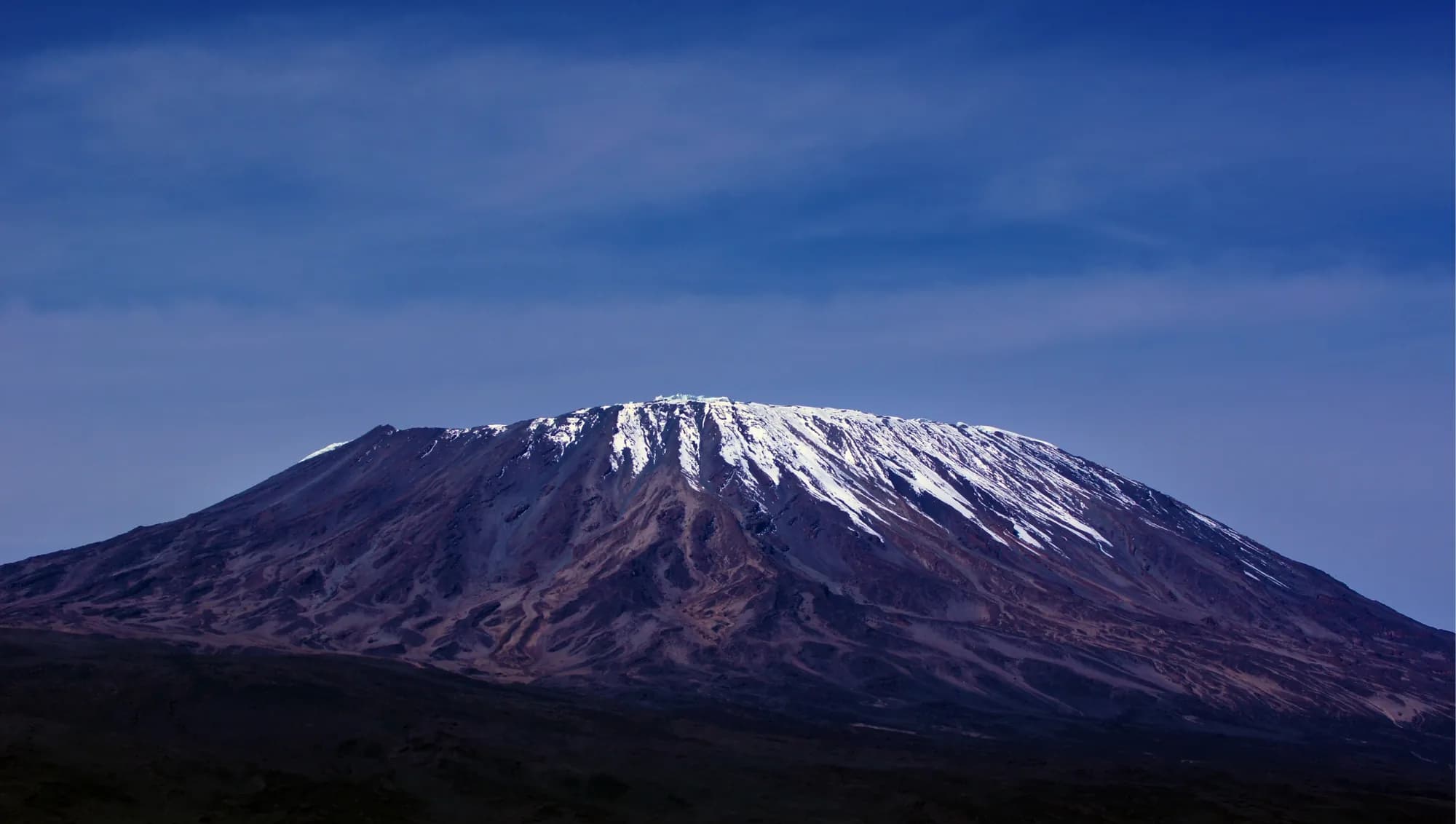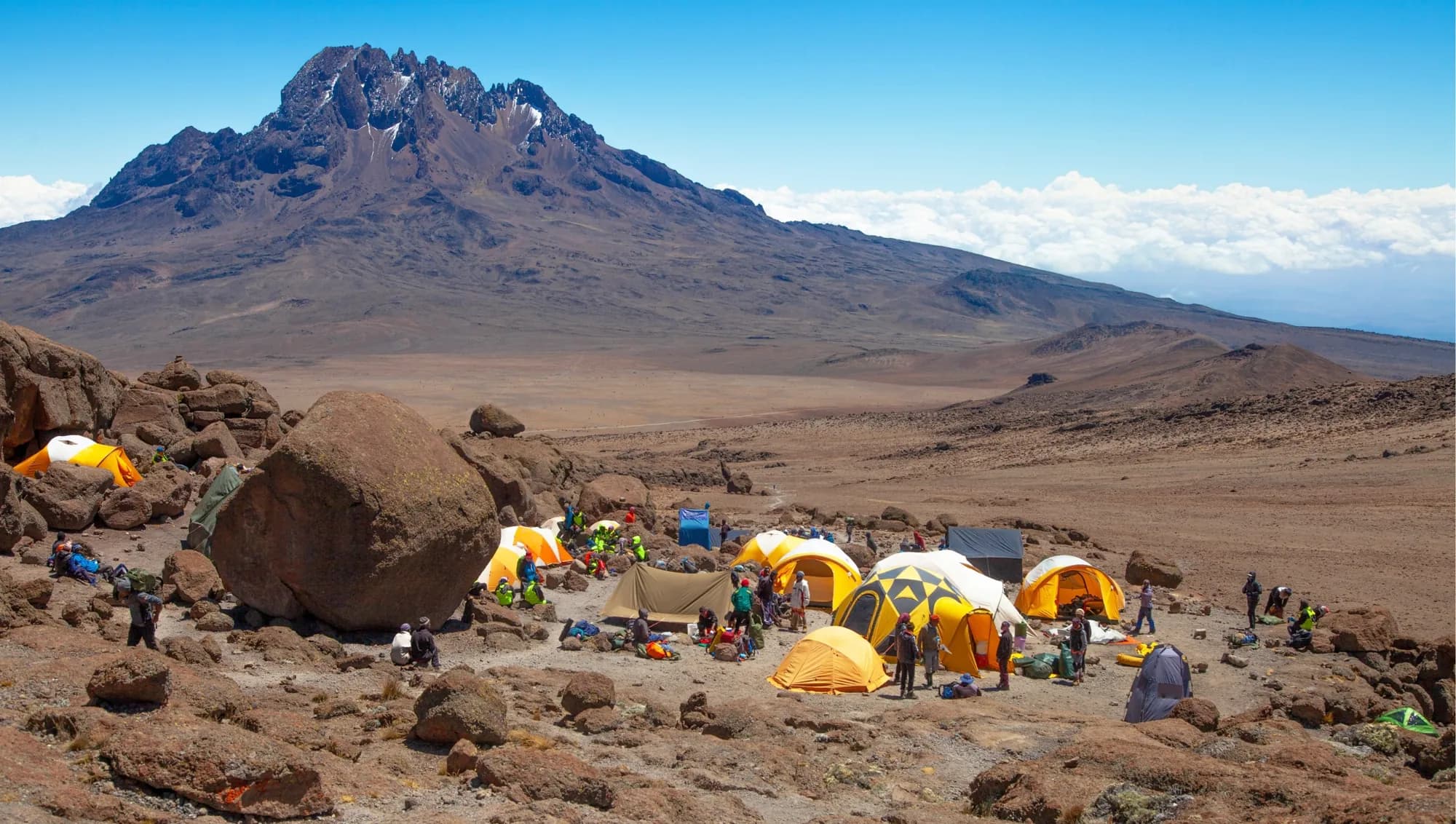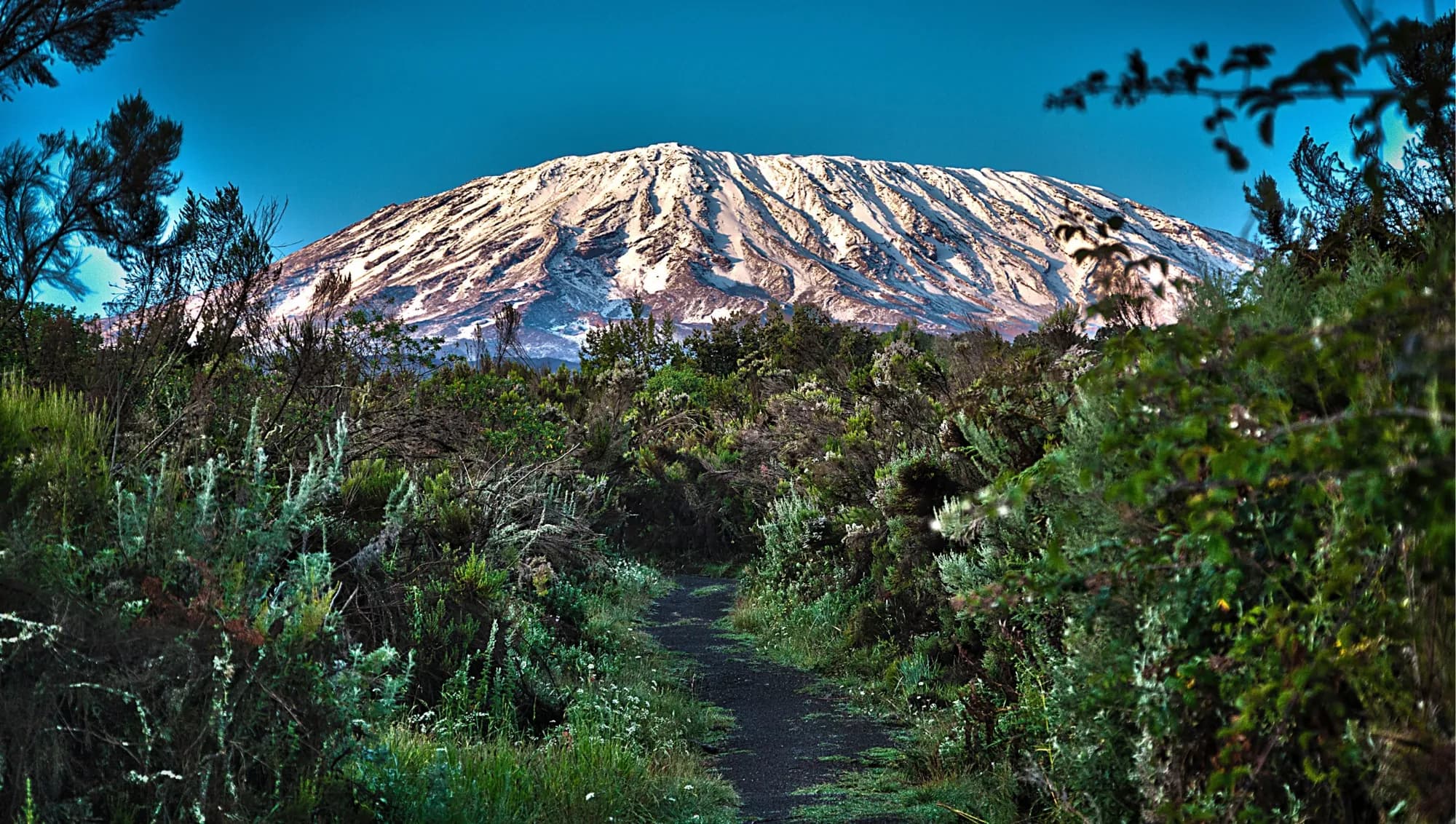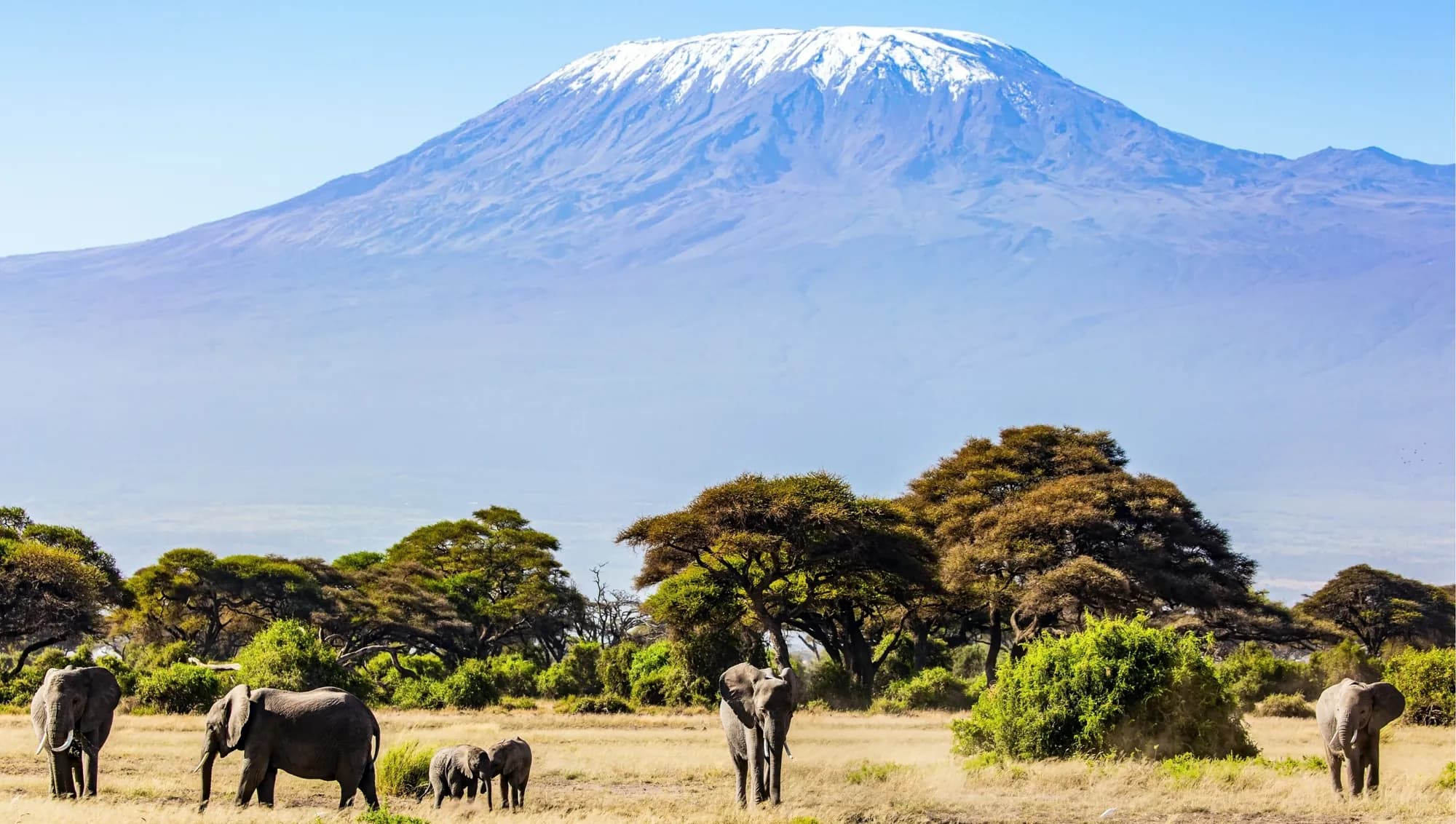
Why we recommend this route Six standard routes climb Kilimanjaro. Lemosho is the one we book most often, for one straightforward reason: it has the best acclimatisation profile of any seven-day trek, and acclimatisation is what determines whether you reach the summit. The route starts on the western flank of the mountain, gains altitude slowly across the Shira Plateau, deliberately climbs above 4,500m on day four and then descends 600m to sleep — the textbook climb-high, sleep-low pattern — and only then begins the final approach. By summit night your body has already spent four nights above 3,500m. The result is a 90% success rate, against the industry average of around 65%.  ## Lemosho versus Machame These are the two most popular seven-day routes and they share the same final three days. The difference is the first four. Machame approaches from the south through Machame village; Lemosho approaches from the west through the Londorossi gate. Lemosho is one extra day, slightly higher price, far better scenery, far quieter trail, and a measurably higher summit success rate. Unless budget is the deciding factor, Lemosho wins. ## A note on the crew Climbing Kilimanjaro requires a guide team and porters. The ratio is roughly three porters per guest. The porter wages set by the Kilimanjaro Porters Assistance Project (KPAP) are USD 10 per day plus tips. Cheap operators pay below this and skim the difference. We pay KPAP rates and submit to KPAP audits. This is one of the easier ways to check whether an operator is honest before you book — ask for the KPAP partner badge.  ## On summit night You leave Barafu Camp around 11 p.m. and walk under headlamps for six to eight hours up the steep scree slope to Stella Point on the crater rim, then another 45 minutes around the rim to Uhuru Peak. You will be cold (around minus 10 to minus 20 Celsius). You will be tired. The thin air at 5,800m means you walk twenty steps and stop. It is the hardest physical experience most guests will ever have. It is also, almost universally, the morning they remember most clearly years later.
- Western approach — wild, low-traffic first three days
- Crosses the Shira Plateau and the Lava Tower
- Joins the Machame route at the Barranco wall
- 90% summit-success rate (industry average is ~65%)
- Best acclimatisation profile of any 7-day route